Build A Kit
Emergencies can disrupt power, water, transportation, stores, and other everyday services. Having basic supplies ready before an emergency can help your household stay safe and reduce the need to search for essential items when conditions are changing quickly.
Prepare supplies in two ways: a Home Emergency Kit for staying at home and a Go Bag for leaving quickly. Customize both for the needs of your household, including children, older adults, disabilities or access and functional needs, medications, pets, and service animals.
Home Emergency Kit
Keep enough supplies at home to support your household during an extended disruption.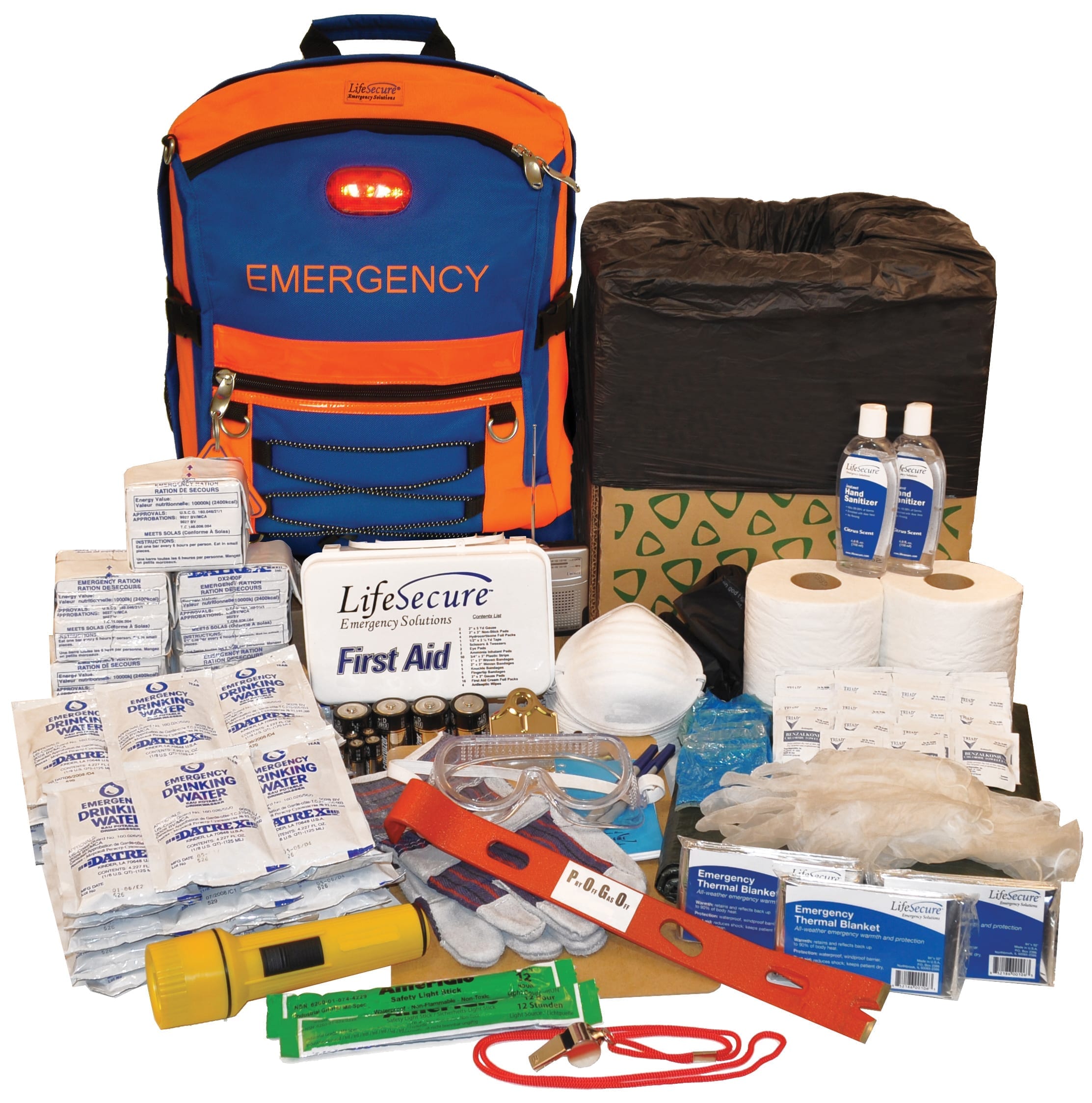
- Water
- Nonperishable food
- Manual can opener
- Flashlights
- Extra batteries
- Battery-powered or hand-crank radio
- First aid kit
- Prescription medications
- Over-the-counter medications
- Medical supplies and equipment
- Backup power for essential medical devices, when possible
- Cell phone chargers and portable power banks
- Personal hygiene supplies
- Soap and hand sanitizer
- Toilet paper and sanitation supplies
- Face coverings or masks
- Warm clothing and blankets
- Sturdy shoes
- Copies of important documents
- Emergency contact information
- Cash in small bills
- Basic tools
- Work gloves
- Whistle
- Fire extinguisher
- Pet food, water, medications, and supplies
- Supplies for infants, children, older adults, or other household needs
Check your kit regularly. Replace expired food, water, medications, and batteries, and update supplies as your household changes.
Go Bag
A Go Bag contains the essential items you may need if you must leave home quickly. Keep it somewhere easy to reach.
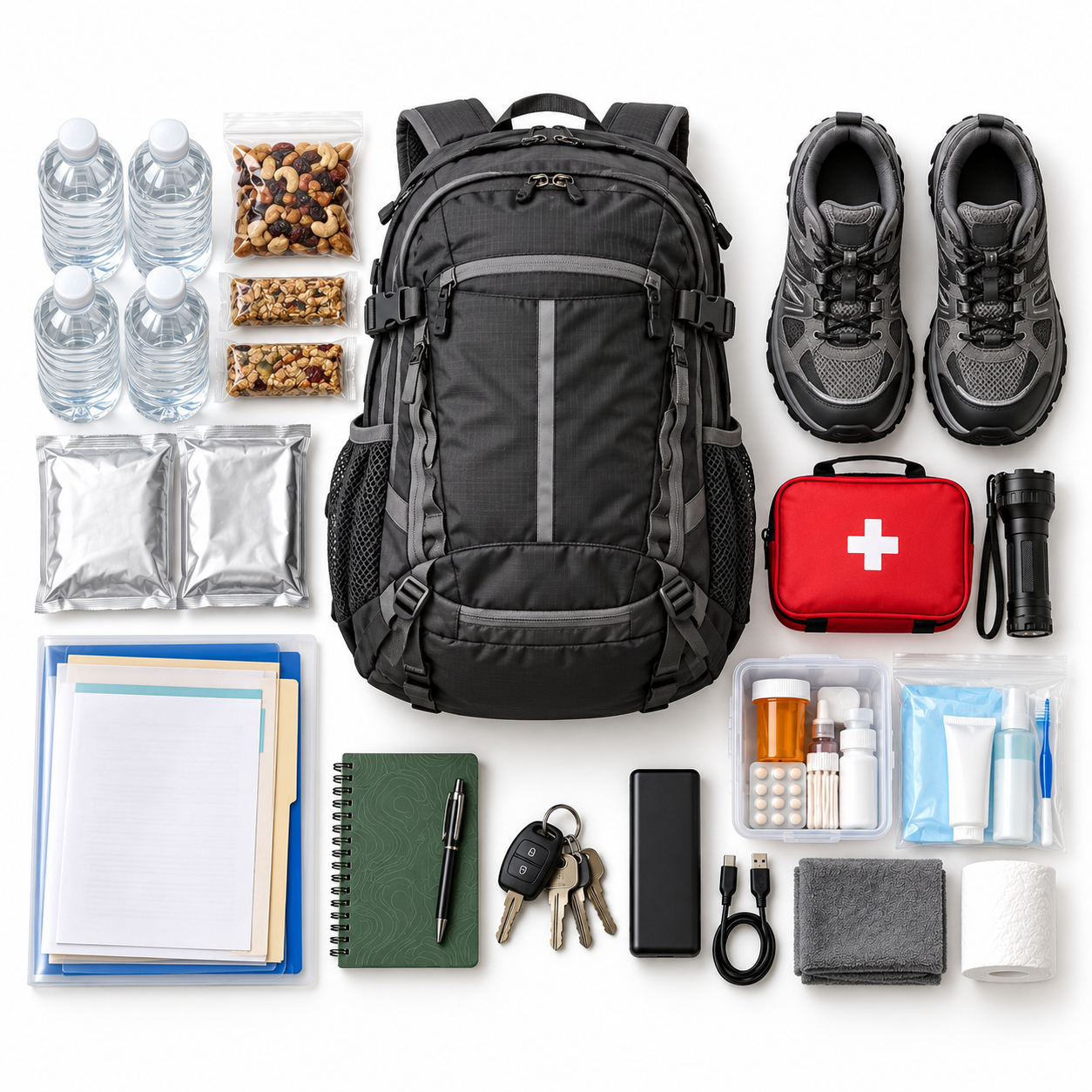
- Water
- Ready-to-eat food and snacks
- Prescription medications
- Essential medical supplies
- First aid supplies
- Cell phone charger
- Portable power bank
- Flashlight
- Extra batteries
- Battery-powered or hand-crank radio
- Change of clothing
- Jacket or warm layer
- Sturdy shoes
- Personal hygiene items
- Face coverings or masks
- Copies of identification and important documents
- Emergency contact information
- Cash in small bills
- Extra keys
- Eyeglasses or contact lens supplies
- Hearing aid batteries or other accessibility supplies
- Pet or service animal supplies
- Small comfort items for children
- Local map
Do not wait to finish packing during an evacuation order. Take your Go Bag if it is immediately available and leave when instructed.
Pet Go Bag
Prepare a separate Go Bag for each pet or service animal. Keep it with your household Go Bags so it is easy to take during an evacuation.
- Pet food
- Bottled water
- Food and water bowls

- Prescription medications
- Copies of vaccination and medical records
- Veterinarian contact information
- Current photo of your pet
- Identification tags
- Collar or harness
- Leash
- Carrier or crate, if appropriate
- Waste bags
- Litter and small litter pan for cats
- Cleaning supplies
- Blanket or towel
- Favorite toy or comfort item
- Basic pet first aid supplies
- Muzzle, if appropriate
- Any special equipment your pet or service animal needs
Make sure identification tags and microchip information are current. Practice getting pets into carriers or vehicles before an emergency so evacuation is easier and less stressful.